

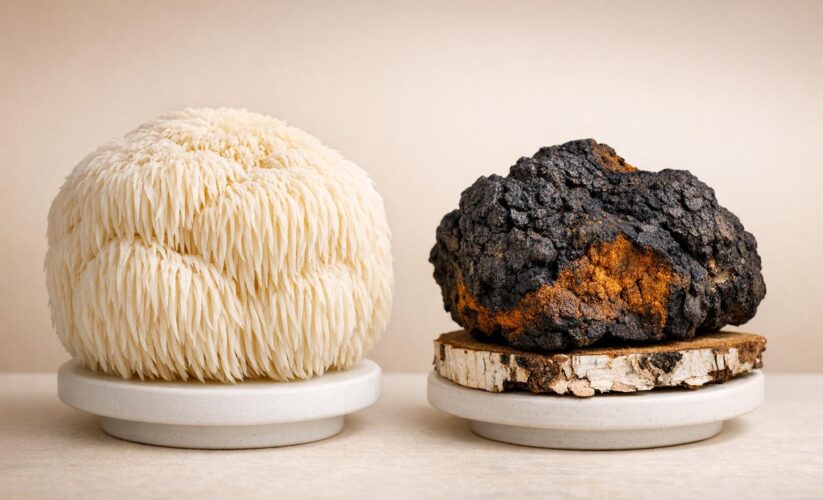
Lion’s Mane vs Chaga: Comparing Mushroom Types

Lion’s Mane and Chaga mushrooms offer distinct health benefits, making them popular choices in the functional mushroom market. Here’s a quick breakdown:
- Lion’s Mane: Known for its brain-boosting properties, it supports memory, focus, and nerve repair through compounds like hericenones and erinacines. Its mild, seafood-like flavor works well in savory dishes.
- Chaga: Packed with antioxidants and beta-glucans, it strengthens the immune system and reduces oxidative stress. Its earthy, slightly bitter taste is often enjoyed as tea.
Quick Comparison
| Feature | Lion’s Mane | Chaga |
|---|---|---|
| Primary Benefit | Cognitive support (memory, focus) | Immune health, antioxidant boost |
| Key Compounds | Hericenones, erinacines | Beta-glucans, melanin, SOD |
| Flavor | Mild, savory (like seafood) | Earthy, smoky, slightly bitter |
| Form of Use | Powder, capsules, fresh cooking | Tea, powder, capsules |
Choose Lion’s Mane for mental clarity or Chaga for immune support – or combine them for a balanced approach. Always consult a healthcare provider before use, especially if on medication or managing health conditions.
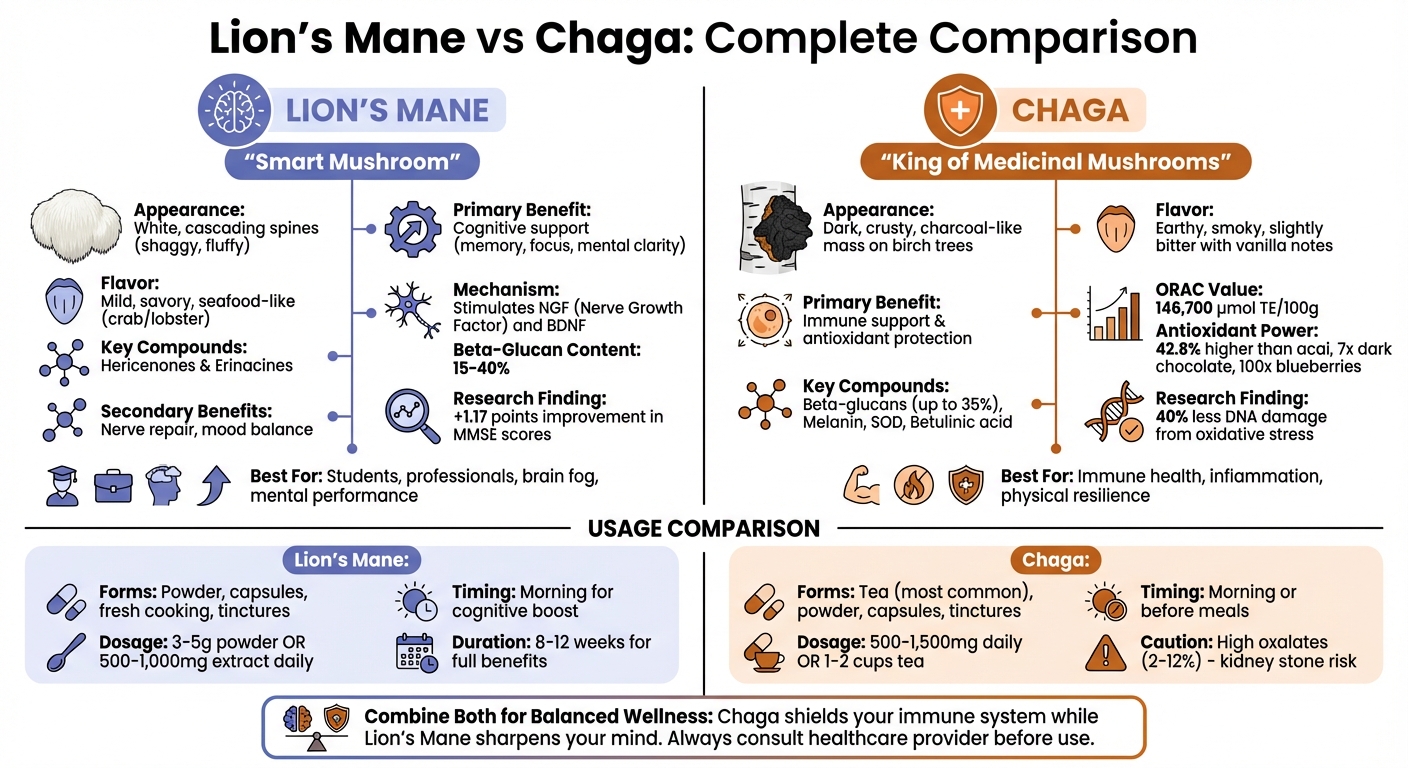
Lion’s Mane vs Chaga Mushrooms: Health Benefits and Uses Comparison
Main Differences Between Lion’s Mane and Chaga
Appearance and Flavor
Lion’s Mane and Chaga couldn’t look more different. Lion’s Mane has cascading white spines that give it a shaggy, fluffy look – like, well, a lion’s mane. It grows on hardwood trees in North America, Europe, and Asia. On the other hand, Chaga doesn’t resemble a typical mushroom at all. Instead, it forms a rough, dark, and crusty mass (called a "conk") on birch tree bark, looking more like charcoal than fungi.
Their flavors are just as distinct. Lion’s Mane has a mild, savory taste with a touch of sweetness – think crab or lobster. This makes it a fantastic meat alternative in cooking. Chaga, however, offers a rich, earthy, and smoky flavor, with a hint of vanilla and a slightly bitter finish. Due to its tough, woody texture, Chaga is typically brewed into tea.
But these mushrooms aren’t just about appearances or taste – they also bring very different health benefits to the table.
Cognitive Support vs. Immune Support
When it comes to benefits, Lion’s Mane and Chaga focus on entirely different aspects of wellness. Lion’s Mane is all about brain health. It contains hericenones and erinacines, compounds that help stimulate Nerve Growth Factor (NGF). NGF is essential for the growth, maintenance, and repair of neurons, supporting memory, focus, and mental clarity. No wonder it’s often called the "Smart Mushroom".
Chaga, on the other hand, is a champion for your immune system. Loaded with beta-glucans and polysaccharides, it helps regulate immune responses, acting as a "biological response modifier" to assist your body in fighting off pathogens. Chaga also boasts an impressive antioxidant profile – higher than blueberries or green tea – thanks to compounds like superoxide dismutase (SOD) and melanin. These antioxidants help reduce oxidative stress and inflammation throughout the body, earning Chaga the title "King of Medicinal Mushrooms".
For those looking to cover all bases, many combine the two. Chaga acts as the immune system’s "shield", while Lion’s Mane sharpens the mind for better focus.
sbb-itb-777001b
Lion’s Mane: Benefits and Uses
Cognitive Function and Nerve Health
Lion’s Mane has earned its nickname as the "Smart Mushroom" for a reason. It promotes the production of Nerve Growth Factor (NGF) and Brain-Derived Neurotrophic Factor (BDNF), two key proteins that help nourish and maintain brain cells. NGF, in particular, plays a critical role in the growth, repair, and survival of neurons – contributing to better memory, focus, and mental clarity.
The mushroom owes much of its power to compounds called hericenones (found in the fruiting body) and erinacines (present in the mycelium). These compounds actively support nerve cell repair. Research backs this up: a 2025 systematic review revealed that Lion’s Mane supplementation improved Mini-Mental State Examination (MMSE) scores by an average of 1.17 points. Another study from 2023 demonstrated enhanced Stroop task performance after participants took a 1.8-gram dose.
"NGF acts as fertilizer for neurons. It supports neuronal growth, maintenance, and repair." – BodyBrain Coffee
Beyond boosting cognitive performance, Lion’s Mane shows potential for broader neural health through its ability to stimulate NGF. Up next, we’ll explore its nutritional benefits and how to incorporate it into your routine.
Nutritional Content and How to Take It
Lion’s Mane doesn’t just support your brain – it also offers a range of essential nutrients. It contains B vitamins like thiamine, riboflavin, and niacin, along with key minerals such as manganese, zinc, and potassium. High-quality supplements typically boast over 15% beta-glucans by weight, with premium options reaching as high as 30–40%.
You can take Lion’s Mane in various forms, including whole mushroom powder, concentrated extracts, capsules, tinctures, and even mushroom coffee blends. The most effective option is a dual extraction process, which uses both hot water and alcohol to capture water-soluble beta-glucans and fat-soluble compounds like hericenones and erinacines.
For dosage, clinical studies often suggest 3–5 grams of powder or 500–1,000 mg of concentrated extract daily. If you’re new to Lion’s Mane, start small – around 500 mg – and gradually increase to find your ideal dose. Taking it in the morning may enhance its cognitive benefits, and sticking to a consistent routine for at least 8–12 weeks is important, as NGF and BDNF production take time to build up.
Chaga: Benefits and Uses
Antioxidant and Immune Support
Chaga stands out as one of nature’s strongest antioxidants, boasting an impressive ORAC (Oxygen Radical Absorbance Capacity) value of 146,700 µmol TE/100g. To put that into perspective, its antioxidant power is 42.8% higher than acai berries, seven times greater than dark chocolate, and over 100 times higher than blueberries.
The mushroom’s dark, charred exterior is rich in melanin, a compound known for neutralizing free radicals. In one study, human blood cells treated with Chaga extract showed 40% less DNA damage when subjected to oxidative stress. This effect is credited to its unique mix of bioactive compounds, including beta-glucans, betulinic acid (absorbed from birch trees), triterpenes, and polyphenols.
Beta-glucans make up as much as 35% of pure Chaga extract, helping to stimulate white blood cells and regulate cytokines, which are critical for immune balance. Meanwhile, betulinic acid offers anti-inflammatory properties, contributing to a more stable immune response. Animal studies have shown promising results, with Chaga supplementation reducing tumor size by 60%, though human trials are still limited.
"By having these antioxidants, chaga mushrooms decrease inflammation in our gut, which can cause problems like irritable bowel syndrome." – Beth Czerwony, RD, Cleveland Clinic
Chaga’s benefits extend beyond immune health. Research on diabetic mice revealed that their blood sugar levels dropped by 31% in just three weeks of Chaga supplementation. Beth Czerwony, RD, also highlights its potential to "protect your cholesterol levels and perhaps aid in improving your arterial walls".
These remarkable effects lay the foundation for how Chaga is consumed and prepared.
Common Uses and Flavor
Chaga grows as a dense, woody mass, and its tough structure requires hot water or alcohol extraction to release its beneficial compounds.
The most common way to enjoy Chaga is as a tea. To prepare, steep chunks or powder in boiling water for 15–20 minutes. The resulting brew has an earthy, slightly bitter flavor with mild vanilla undertones, setting it apart from the seafood-like taste often linked to Lion’s Mane. Many people also mix Chaga powder into coffee for what they describe as "balanced energy" with less acidity than regular coffee. Beyond beverages, Chaga can be blended into smoothies, soups, or stews, or taken in capsule or tincture form.
For dosage, experts recommend 500 mg to 1,500 mg daily in powder or capsule form, or 1–2 cups of tea per day. If you’re new to Chaga, start small – around 500 mg or a quarter-teaspoon of powder – and gradually increase as your body adapts.
Important note: Chaga contains high oxalate levels (2–12%), which can increase the risk of kidney stones in susceptible individuals. Additionally, it may interact with blood thinners and diabetes medications, so consult with your doctor before adding it to your routine.
Lion’s Mane vs. Chaga: Side-by-Side Comparison
Health Benefits and Uses Comparison Table
Lion’s Mane and Chaga mushrooms both pack a punch when it comes to health benefits, but they shine in different areas. Lion’s Mane is famous for its brain-boosting abilities, thanks to compounds like hericenones and erinacines, which can cross the blood-brain barrier to encourage nerve growth. Chaga, on the other hand, is a powerhouse for immune support and offers exceptional antioxidant protection.
| Category | Lion’s Mane | Chaga |
|---|---|---|
| Cognitive Support | High (stimulates NGF and neurons) | Moderate (reduces oxidative stress indirectly) |
| Immune Support | Moderate (anti-inflammatory effects) | High (activates white blood cells) |
| Antioxidant Protection | Moderate | Very high (contains melanin and superoxide dismutase) |
| Energy | Promotes mental clarity and focus | Supports physical vitality and stamina |
| Stress Management | May help balance mood by supporting serotonin and dopamine | Helps regulate cortisol and adrenal response |
| Metabolic Support | 27% decrease in triglycerides in animal studies | Aids in blood sugar regulation and lowering LDL cholesterol |
| Key Compounds | Hericenones and erinacines | Beta-glucans (up to 35%), betulinic acid, melanin |
This comparison highlights how each mushroom aligns with different health goals. For cognitive support, Lion’s Mane takes the lead by promoting neural growth and improving focus. Chaga, however, excels in immune defense and fighting oxidative stress, making it an excellent choice for overall wellness.
"Lion’s Mane is mainly renowned for its exceptional support of brain health. If you are more interested in improving cognitive functions like memory, focus, and creativity, it could be the perfect choice." – Brian, Dr. Mush Me
Some people even combine both mushrooms to enjoy a broader range of benefits, creating a balanced approach to wellness.
How to Choose Between Lion’s Mane and Chaga
Recommendations Based on Your Goals
Your health goals should guide your decision. If you’re looking to enhance memory, focus, or nerve repair – whether you’re a student, a busy professional, or dealing with brain fog from menopause or stress – Lion’s Mane could be your go-to. This mushroom promotes NGF (nerve growth factor), which plays a key role in cognitive function. On the other hand, if your focus is on strengthening immunity, reducing inflammation, or improving skin health, Chaga is packed with antioxidants that support overall resilience.
That said, you don’t have to pick just one. Combining Lion’s Mane and Chaga can create a well-rounded wellness routine. For example, try adding Lion’s Mane tincture to your Chaga-infused coffee. This combo not only reduces caffeine jitters but also sharpens focus. The distinct benefits of each mushroom allow you to customize your approach based on your needs – or use both for a balanced blend of mental and physical support.
Timing and integration are also key. Take Lion’s Mane in the morning to help sustain focus throughout the day, while Chaga works well in the morning or before meals to boost energy and aid digestion. As always, consult a healthcare provider before incorporating new supplements, especially if you’re pregnant, breastfeeding, or taking medications for blood clotting, diabetes, anxiety, or depression. Be mindful of potential interactions: Chaga may affect blood sugar levels and blood thinners, while Lion’s Mane could influence anticoagulant medications.
To get the most out of these mushrooms, choose products that fit your lifestyle and ensure quality. Look for dual-extracted options made from 100% fruiting bodies rather than grain fillers. This ensures you’re getting the bioactive compounds that deliver the benefits you’re after.
Adding Lion’s Mane and Chaga to Your Daily Routine
Ways to Consume Lion’s Mane and Chaga
Adding Lion’s Mane and Chaga mushrooms to your daily habits is easier than you might think. Powders are incredibly flexible – just stir a teaspoon into your coffee, smoothies, or oatmeal. For instance, Om Mushroom offers an organic Lion’s Mane or Chaga powder for $19.99, providing 30 servings per container. Tinctures are another popular option, delivering quick benefits thanks to pre-extraction. Forage Hyperfoods‘ Lion’s Mane Tincture, priced from $10.00, has a 4.8/5-star rating based on 178 reviews and contains both water- and alcohol-soluble compounds. Capsules, ideal for on-the-go use, typically cost around $29.99 for a 30-day supply.
If you prefer Chaga tea, it’s easy to make. Simmer 1 tablespoon of Chaga chunks in 4–6 cups of water for at least 20 minutes until the liquid turns dark like coffee. The chunks can be reused 2–3 times before losing potency. Fresh Lion’s Mane mushrooms, on the other hand, can be treated like seafood. Wipe them clean with a damp cloth (avoid soaking), then sauté in butter or oil at 400°F (200°C) until golden brown. Keep in mind that raw mushrooms contain chitin, which is hard for your body to digest. Hot water extracts their beta-glucans, while alcohol captures triterpenes.
These methods open the door to plenty of creative ways to enjoy these mushrooms.
Recipe Ideas and Flavor Pairings
These mushrooms not only pack health benefits but also bring unique flavors to your meals. Lion’s Mane has a mild, seafood-like taste that pairs beautifully with savory dishes. In February 2024, Wilmax shared a recipe for Lion’s Mane "Crab" Cakes. It calls for 8 oz of shredded Lion’s Mane, sautéed for 5 minutes, then mixed with panko, vegan mayo, and Old Bay seasoning. For a warming twist, DIRTEA recommends adding 1 teaspoon of Lion’s Mane powder to a coconut curry made with coconut milk, chickpeas, spinach, and curry spices. If you’re feeling adventurous, food blogger WoonHeng suggests spicy cumin skewers. Tear fresh Lion’s Mane into pieces, boil for 3 minutes, marinate in cumin and chili powder, and pan-fry for a flavorful dish.
Chaga, with its earthy and slightly bitter profile, pairs well with sweet and warming ingredients. A simple Chaga-spiced hot chocolate involves heating 2 cups of milk with 1 tablespoon of Chaga powder for 5 minutes, then whisking in 2 tablespoons of cocoa and 1 tablespoon of maple syrup. Want something closer to coffee? Add cream and maple syrup to your Chaga tea for a light roast coffee-like experience without the acidity. For a healthier mocha, mix Chaga powder with cacao and cinnamon in your morning brew. Start with 1 teaspoon per serving and adjust to your taste.
Lion’s Mane vs Chaga Mushrooms: Are They Better Together?
Conclusion
Lion’s Mane and Chaga each bring unique benefits to a wellness routine. Lion’s Mane stands out for its potential to support cognitive function and nerve health, thanks to bioactive compounds like hericenones and erinacines that stimulate Nerve Growth Factor. On the other hand, Chaga is prized for its immune-boosting properties and exceptionally high antioxidant content, making it a strong ally against inflammation and a great choice for enhancing physical resilience.
Using them together can offer a more well-rounded approach. Since these mushrooms target different systems, combining them may enhance their effects. As Dr. Sony Sherpa explains:
Chaga and Lion’s Mane create a powerful synergy that amplifies their respective effects, leading to improved physical and mental health when used together.
When deciding between the two, it’s helpful to align your choice with your primary health goals. If improving focus and mental clarity is your priority, Lion’s Mane might be the better fit. If your focus is on bolstering your immune system and reducing inflammation, Chaga could be the ideal choice. Keep in mind that regular use over several weeks or months is often required to experience noticeable results.
It’s important to consult a healthcare professional if you are pregnant, breastfeeding, or taking medications like blood thinners or diabetes treatments. Additionally, Chaga’s high oxalate content may pose a risk of kidney stones for some individuals. Always opt for high-quality, dual-extracted products made from fruiting bodies rather than mycelium grown on grain.
Whether you choose to use one or both, these mushrooms offer tailored support for both your mind and body. Start with small doses and adjust gradually to find what works best for you.
FAQs
Can I take Lion’s Mane and Chaga together?
Yes, you can use Lion’s Mane and Chaga together. These two mushrooms work well as a pair, potentially offering combined benefits like improved cognitive function and strengthened immune support. Many people choose this combination as part of their wellness routine to promote overall health.
How long does it take to notice results?
Most people start to notice small changes within 1–2 weeks of consistent use. However, more noticeable benefits often take about 4–6 weeks of regular use to show up. Keep in mind, results can differ based on personal factors and how the product is used.
Who should avoid Chaga or Lion’s Mane?
People with mushroom allergies, autoimmune conditions, bleeding disorders, or those taking blood-thinning medications should steer clear of Chaga or Lion’s Mane. If you’re pregnant, breastfeeding, or dealing with liver issues, it’s important to consult a healthcare professional before using these mushrooms. While they are generally considered safe, mild side effects like stomach discomfort can occur. Always check with a medical expert if you have any underlying health conditions.
Related Blog Posts
- 7 Health Benefits of Mushroom Coffee for Daily Wellness
- Mushroom Coffee vs Regular Coffee: Which Is Better?
- 10 Best Mushroom Coffee Brands in 2026: Expert Review
- Does Mushroom Coffee Really Work? Questions Answered