
Mushroom Coffee vs Regular Coffee: Which Is Better?

Looking for a better coffee option? Here’s a quick rundown:
- Regular Coffee: Packs a strong caffeine punch (95–200 mg per cup), bold flavor, and is budget-friendly ($0.25–$0.75 per cup). It’s great for a quick energy boost but may cause jitters, crashes, or stomach discomfort due to its higher acidity.
- Mushroom Coffee: Blends coffee with medicinal mushrooms, offering smoother energy (35–60 mg caffeine per cup), added health perks like stress relief and immune support, and lower acidity. However, it costs more ($0.75–$1.50 per cup) and has a milder, earthier taste.
Quick Comparison
| Feature | Regular Coffee | Mushroom Coffee |
|---|---|---|
| Caffeine (per cup) | 95–200 mg | 35–60 mg |
| Flavor | Bold, acidic | Smooth, earthy |
| Health Benefits | Antioxidants, energy boost | Stress relief, immune support |
| Price (per cup) | $0.25–$0.75 | $0.75–$1.50 |
| Digestive Impact | Higher acidity | Lower acidity |
Bottom Line: Choose regular coffee for a strong, affordable energy boost. Opt for mushroom coffee if you prefer steady focus, added wellness benefits, and a gentler option for your stomach.
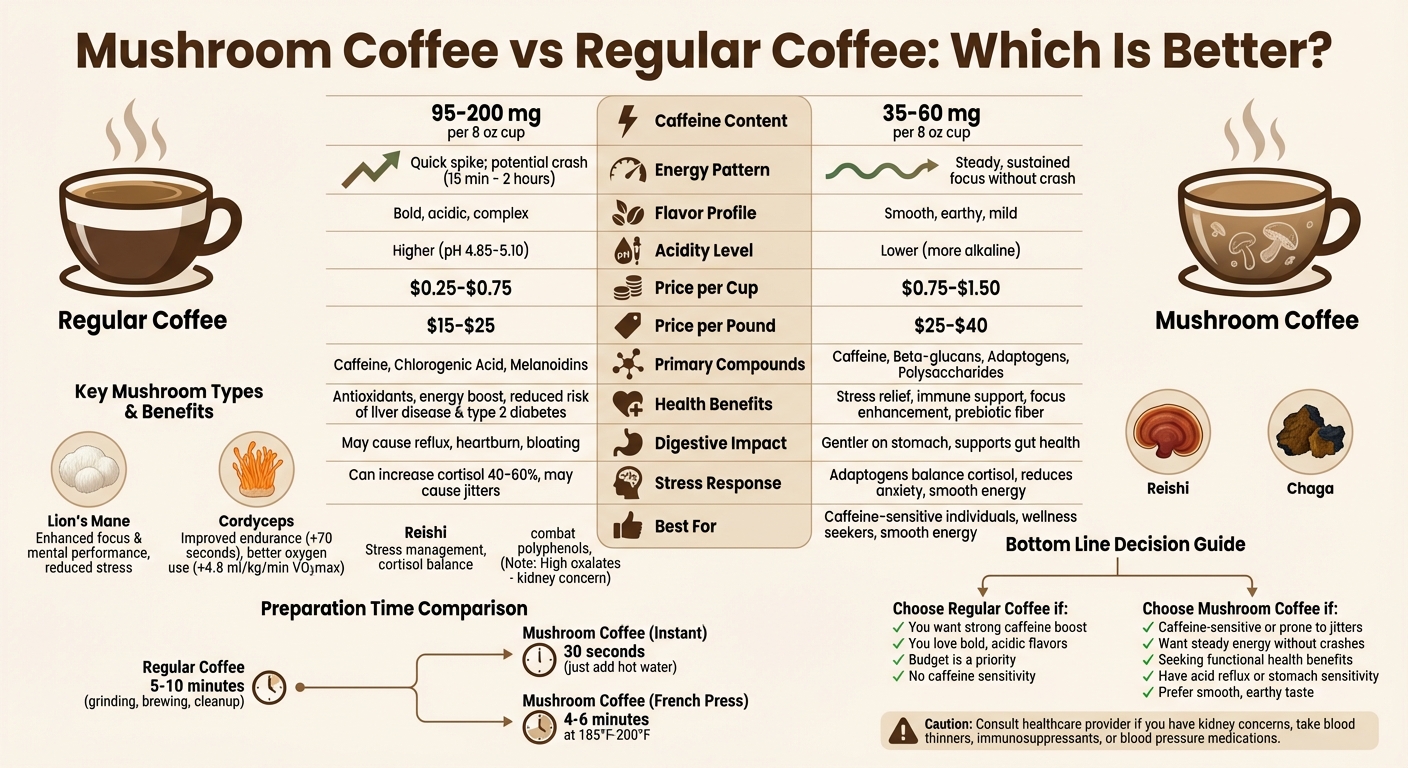
Mushroom Coffee vs Regular Coffee: Complete Comparison Chart
Caffeine Levels and Energy Effects
Caffeine Content Comparison
The caffeine in your drink plays a big role in how it affects your energy levels. Regular coffee packs a punch with 95 to 200 mg of caffeine per 8 oz serving, depending on the type of beans and brewing method used. Mushroom coffee, however, contains far less – typically between 35 and 60 mg per serving. For example, Everyday Dose Mushroom Coffee+ has 45 mg, RYZE includes 48 mg, and MUDWTR: Rise Cacao contains just 35 mg per cup.
| Beverage Type | Caffeine per 8 oz | Energy Pattern |
|---|---|---|
| Regular Coffee | 95–200 mg | Quick spike; potential crash |
| Mushroom Coffee | 35–60 mg | Steady, sustained focus |
| Green Tea | 25–50 mg | Light, gentle lift |
These differences in caffeine levels directly shape how each beverage impacts energy and concentration.
How Each Affects Energy and Focus
The way caffeine works in your body depends on how much you consume. Regular coffee delivers a rapid energy spike, with effects kicking in within 15 minutes to 2 hours. It blocks adenosine, the chemical that makes you feel tired, which explains the short-term focus boost. But there’s a downside – this intense stimulation often raises cortisol levels by 40–60% within 30 minutes, leading to jitters, a racing heart, and the infamous energy crash.
Mushroom coffee, on the other hand, provides a smoother experience. Its lower caffeine content is paired with adaptogens like Lion’s Mane and Cordyceps, which help regulate energy at the cellular level and improve oxygen use without overstimulating the body. A 2023 study showed that Lion’s Mane enhanced mental task performance and reduced stress in young adults. Similarly, a 2017 study found that Cordyceps improved VO2max by 4.8 ml/kg/min and extended exercise endurance by nearly 70 seconds after three weeks of use.
"Mushrooms don’t act like stimulants. Instead, certain species may support cellular energy, oxygen use, and stress resilience." – Tero Isokauppila (referenced as Daoust)
Many mushroom coffee blends also include L-theanine and fiber, which slow caffeine absorption and help counteract anxiety. This combination promotes a calm yet focused state, described by dietitian Catherine Gervacio as providing "smoother, clear-headed energy".
If you’re looking for a quick, intense energy boost – say, before a workout or during a high-pressure deadline – regular coffee might be your go-to. But if you’re sensitive to caffeine, prone to energy crashes, or simply want a steady, balanced focus throughout the day, mushroom coffee is a great alternative.
sbb-itb-777001b
Ryze Mushroom Coffee vs Regular Coffee (My Experience)

Taste and Flavor Differences
Taste plays a huge role in choosing between regular coffee and mushroom coffee. Each offers a distinct flavor profile, appealing to different preferences. Regular coffee is celebrated for its strong, bold taste, often featuring natural bitterness and bright acidity, with flavor notes ranging from dark chocolate to fruity undertones, depending on the roast and bean origin. However, this intensity can be a bit much for those with sensitive stomachs. On the other hand, mushroom coffee provides a smoother, milder alternative that’s easier on the palate and the digestive system.
Regular Coffee: Bold and Complex
Regular coffee is all about boldness. Its acidity and bitterness combine to create a dynamic, layered flavor. Dark roasts tend to highlight smoky or chocolate-like flavors, while lighter roasts can lean toward fruity or floral notes. This complexity makes it a favorite for coffee enthusiasts who enjoy a rich and intense cup. However, its sharpness can sometimes cause discomfort for those with more delicate stomachs, making it a less ideal choice for everyone.
Mushroom Coffee: Smooth and Earthy
Mushroom coffee takes a completely different approach, offering a flavor that’s often described as earthy or nutty. Importantly, it doesn’t taste like culinary mushrooms. As Beth Czerwony, a dietitian at Cleveland Clinic, points out:
"Interestingly enough, mushroom coffee tastes pretty similar to regular coffee. It is, after all, coffee with mushroom extracts blended in".
High-quality blends keep the mushroom flavor subtle, adding just a gentle undertone to the coffee. Certain medicinal mushrooms, like Chaga, even help neutralize coffee’s natural acidity, making the drink not only smoother but also easier on the stomach. James Bellis, founder of Balance Coffee, explains:
"Mushroom coffee has a milder and smoother taste than organic coffee beans. The mushrooms help neutralise some of the bitterness and acidity, making it gentler on the palate".
For those new to mushroom coffee, adding milk or natural sweeteners like honey can soften any remaining earthiness. Its gentle taste and reduced acidity make it a great fit for those prioritizing wellness in their daily routines.
Health Benefits and Active Compounds
Both regular coffee and mushroom coffee bring distinct benefits to the table, thanks to their active compounds. Regular coffee’s perks stem mainly from caffeine and chlorogenic acid. These compounds not only fight free radicals and inflammation but may also reduce the risk of heart disease and type 2 diabetes. Mushroom coffee, however, blends these coffee-based benefits with unique fungal bioactives like beta-glucans, triterpenes, and adaptogens. These additions are known to support stress regulation, boost immune function, and enhance cognitive performance. This sets the stage for a deeper dive into how each beverage contributes to overall health.
Antioxidants and Nutrients
When it comes to antioxidants, regular coffee is a powerhouse, thanks to its chlorogenic acid content. This compound helps neutralize free radicals and reduce inflammation. Mushroom coffee takes it a step further by adding fungal polyphenols to the mix. For instance, Chaga mushrooms are loaded with polyphenols that combat oxidative stress. Plus, mushroom coffee introduces prebiotic fiber and beta-glucans – elements that bolster gut health and activate immune cells, which are absent in regular coffee.
Beth Czerwony, a registered dietitian at Cleveland Clinic, highlights the benefits of mushrooms:
"Mushrooms in general have some really great benefits. A big one tends to be reducing inflammation. Mushrooms also contain antioxidants, which can help support the immune system".
Effects on Digestion, Stress, and Immune Function
Regular coffee’s higher acidity can be a drawback for those with sensitive stomachs, often leading to reflux or discomfort. On the other hand, mushroom coffee offers a gentler alternative. Its lower acidity and prebiotic components support the growth of beneficial gut bacteria. Stress management is another area where mushroom coffee shines. Adaptogens like Reishi help balance cortisol levels and calm the body’s stress response. In contrast, regular coffee’s higher caffeine content can sometimes lead to jitters and heightened anxiety.
A 2023 study adds weight to these claims, showing that 1.8 grams of Lion’s Mane supplementation over 28 days significantly reduced stress levels in healthy adults. For immune support, regular coffee provides broad antioxidant protection, while mushroom coffee offers more targeted benefits through beta-glucans.
Health Benefits Side-by-Side
Here’s a quick comparison of the health benefits offered by each type of coffee:
| Feature | Regular Coffee | Mushroom Coffee |
|---|---|---|
| Primary Compounds | Caffeine, Chlorogenic Acid, Melanoidins | Caffeine, Beta-glucans, Adaptogens, Polysaccharides |
| Antioxidant Source | Coffee beans (chlorogenic acid) | Coffee beans plus fungal polyphenols (e.g., from Chaga) |
| Digestive Impact | Higher acidity; may trigger reflux | Lower acidity; prebiotic fiber supports gut health |
| Stress Response | Can increase cortisol and jitters | Adaptogens help balance cortisol levels |
| Immune Support | General antioxidant protection | Targeted immune modulation via beta-glucans |
| Energy Pattern | Quick spike; potential crash | Sustained focus without jitters |
One thing to keep in mind: some experts note that it’s uncertain whether the beneficial compounds in mushrooms remain fully active after the high-heat processing and brewing required for coffee.
Digestive Effects and Side Effects
Acidity and Stomach Sensitivity
Regular coffee, with its acidity levels (pH 4.85–5.10), can often lead to discomfort like acid reflux, heartburn, or bloating – especially if consumed on an empty stomach. For those dealing with GERD, stomach ulcers, or gastritis, that morning cup of coffee might be more trouble than it’s worth.
Mushroom coffee, on the other hand, provides a milder option. The medicinal mushrooms used in these blends are naturally more alkaline, which helps reduce the overall acidity of the drink. Sean McDonald from Melting Forest highlights this benefit:
"High acidity in regular coffee can cause discomfort for vulnerable users, making lower-acid mushroom coffee a preferable option for reducing gastrointestinal irritation".
That said, mushroom coffee isn’t without its potential downsides. Some individuals may experience gas or bloating due to the mushroom components. For those with IBS or sensitivities to high-FODMAP foods, the polysaccharides found in mushrooms could aggravate symptoms. Additionally, Chaga mushrooms contain high levels of oxalates, which might increase the risk of kidney stones in certain people.
Caffeine-Related Side Effects
Regular coffee packs around 95 mg of caffeine per 8‑oz cup, which can lead to jitters, heightened anxiety, or trouble sleeping. Mushroom coffee, with its reduced caffeine content (47–60 mg per cup), tends to be easier on those sensitive to caffeine.
Beth Czerwony, a registered dietitian at Cleveland Clinic, explains:
"The caffeine and natural acids in coffee may trigger acid reflux, but there are ways to lessen the effects… Mushroom coffee also has less caffeine, which usually helps people feel less anxious and sleep better".
If you’re taking blood thinners, managing diabetes, or have a history of kidney stones, it’s a good idea to check with your doctor before making any changes to your coffee routine.
Cost and Preparation
Price Breakdown
Mushroom coffee is noticeably more expensive than regular coffee, costing about $25–$40 per pound compared to $15–$25 per pound for standard coffee beans. On a per-cup basis, this translates to $0.75–$1.50 for mushroom coffee versus $0.25–$0.75 for traditional coffee.
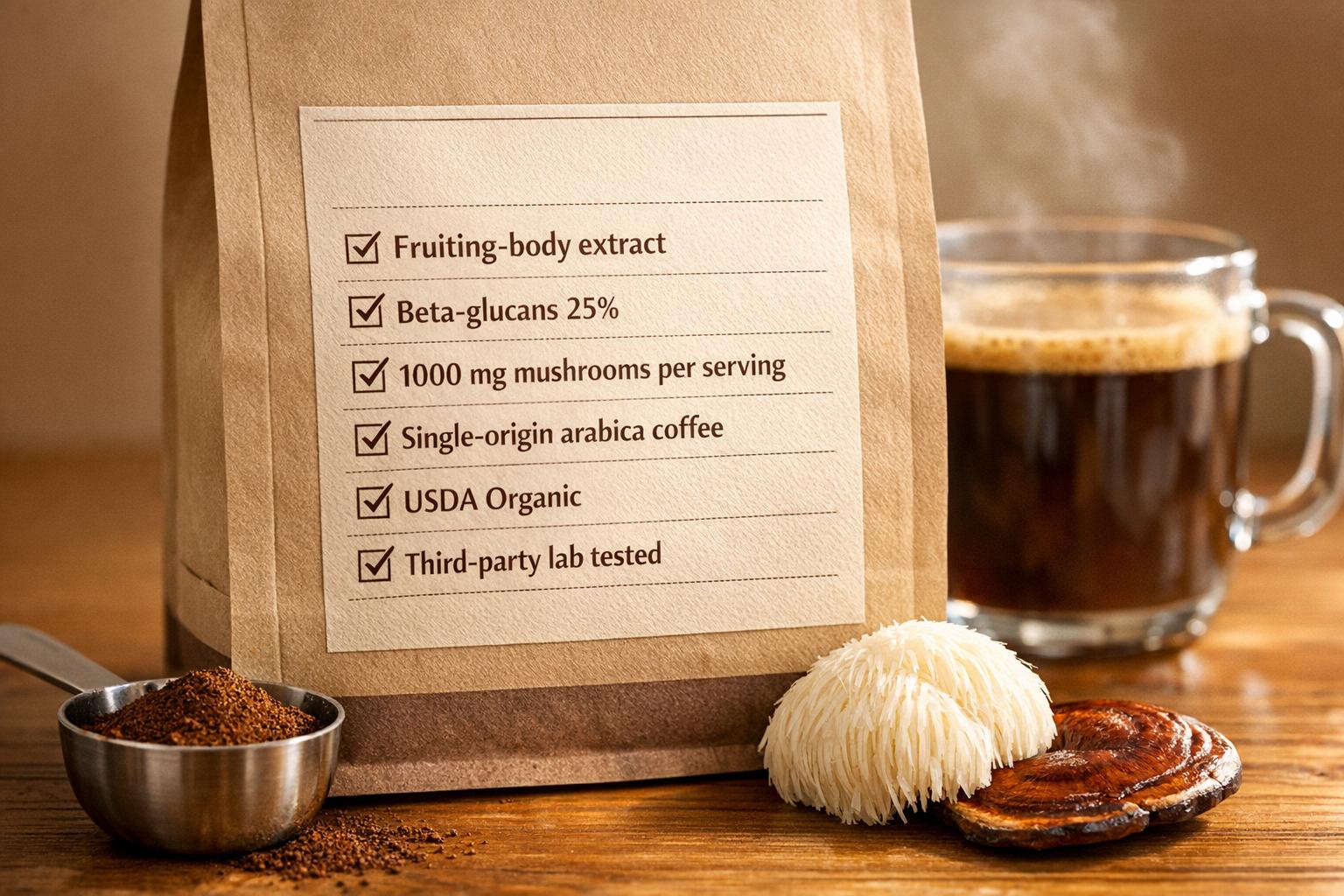
The higher price tag comes down to the specialized methods used to create mushroom coffee. Functional mushrooms like Lion’s Mane and Chaga are often wild-harvested instead of being commercially farmed. The production process involves dual extraction (using both water and alcohol), spray drying, and micronization to ensure the coffee dissolves properly and retains its potency. If you’re shopping for mushroom coffee, check for labels that say "100% Fruiting Body" – products listing "mycelium" or "grain biomass" may include starch fillers, which reduce the functional benefits.
Despite the higher price, mushroom coffee can still be a cost-effective option compared to a daily café latte, which often costs over $5.00. At $1.00–$1.50 per cup, homemade mushroom coffee is much easier on the wallet. Interestingly, K-Cups for both mushroom and regular coffee are similarly priced, at around $1.00–$1.50 per cup.
While it’s more expensive than regular coffee, the convenience, added benefits, and unique preparation methods might make mushroom coffee worth the splurge.
Preparation Methods
The way you prepare mushroom coffee is also quite different from traditional coffee. Regular coffee often requires a grinder, filters, and a coffee maker or French press, with the full brewing process taking 5–10 minutes, including prep and cleanup.
Mushroom coffee, on the other hand, is often sold as an instant powder that dissolves in hot water in just 30 seconds. Ground blends are also available, which brew similarly to regular coffee. If you prefer using a French press, steep the coffee for 4–6 minutes with water heated to 185°F–200°F. This ensures you extract both the coffee oils and mushroom compounds without damaging sensitive nutrients. For an even easier option, liquid tinctures or extracts can be added directly to your favorite coffee.
"Mushroom coffee often comes in instant form. That means no grinder, no fancy coffee maker, no 12-step pour-over process that makes you late for work. Just stir the powder into hot water, and boom – you’re done." – Everyday Dose
Whether you prefer the simplicity of instant powder or the ritual of brewing, mushroom coffee offers flexibility in preparation while saving time compared to traditional methods.
Which Coffee Fits Your Lifestyle
Choosing the right coffee depends on factors like caffeine tolerance, flavor preferences, and budget. Here’s a breakdown to help you decide which option suits your routine.
When to Choose Regular Coffee
If you’re after a quick and strong caffeine boost, regular coffee might be your go-to. Its effects kick in within 15 minutes to 2 hours, delivering bold, acidic flavors and steady energy. For many, it’s the classic choice.
"If you love the bold taste and strong energy boost that regular coffee provides, and you don’t experience negative side effects from caffeine, sticking with regular coffee could be ideal for you." – Shroom Tide
Regular coffee is also budget-friendly, making it an excellent option for those looking to save. However, if you’re seeking a gentler caffeine experience with added health perks, mushroom coffee could be worth exploring.
When to Choose Mushroom Coffee
For those sensitive to caffeine, mushroom coffee offers a smoother alternative. With just 35–60 mg of caffeine per 8 oz (compared to 80–160 mg in regular coffee), it reduces the risk of jitters, anxiety, and sleep disturbances. This makes it a great choice for an afternoon pick-me-up without compromising your evening rest.
"For people who feel jittery, anxious, or crash hard after drinking coffee, these blends offer a way to keep the morning routine without the same stimulant load." – Bryan Quoc Le, PhD, Mendocino Food Consulting
Mushroom coffee also brings functional benefits, thanks to mushrooms like Lion’s Mane, Cordyceps, and Reishi. These ingredients can support focus, physical endurance, and stress management. For example, a 2023 study found that participants who consumed 1.8 grams of Lion’s Mane daily for 28 days reported significantly lower stress levels compared to those taking a placebo. Plus, mushroom coffee tends to be less acidic and gentler on the stomach, making it ideal for those with digestive sensitivities.
Important Note: If you have kidney concerns, avoid blends with Chaga, as its high oxalate content can lead to kidney damage when consumed in large amounts (4–15 grams daily). Additionally, consult a healthcare provider if you’re on blood thinners, immunosuppressants, or blood pressure medications to ensure it’s safe for you.
Conclusion
The choice between regular coffee and mushroom coffee ultimately comes down to your personal preferences and priorities. Regular coffee is known for its higher caffeine content, bold and acidic flavor, and a well-established history of health benefits, such as a reduced risk of liver disease and type 2 diabetes. If you’re looking for a strong energy boost and can handle caffeine well, regular coffee might be your go-to.
Mushroom coffee, on the other hand, provides a milder caffeine experience (around 40–60 mg per serving) and includes functional ingredients like Lion’s Mane for focus, Cordyceps for endurance, and Reishi for stress relief. However, it tends to be more expensive and hasn’t been studied as extensively as regular coffee.
"Mushroom coffee costs about double what you’d pay for the average coffee, so deciding whether or not to try it is as much a financial decision as it is a nutritional one." – Beth Czerwony, RD, Cleveland Clinic
If you’re sensitive to caffeine, experience acid reflux, or are looking for added functional benefits, the higher price of mushroom coffee might be worth it. On the other hand, if you value bold flavor, affordability, and well-documented health benefits, regular coffee is likely the better fit. No matter what you choose, it’s important to consider how the option aligns with your lifestyle. And if you have kidney concerns or take medications that could interact with medicinal mushrooms, it’s wise to consult a healthcare provider first.
FAQs
How much mushroom coffee should I drink per day?
If you’re new to mushroom coffee, it’s generally recommended to start with 1 to 2 cups per day. This allows you to gauge your body’s response while enjoying its potential benefits. Each cup usually contains 1–3 grams of mushroom extract, which falls within a safe and effective range. Begin with one cup, see how you feel, and, if necessary, gradually increase to two cups.
Who should avoid mushroom coffee?
People who should steer clear of mushroom coffee include those with mushroom allergies, individuals taking medications that might interact with mushroom extracts, and anyone dealing with a weakened immune system or specific health issues. For these groups, consuming mushroom coffee could lead to unwanted side effects or risks.
Can you add milk or creamer to mushroom coffee?
Yes, you can mix mushroom coffee with milk or creamer to suit your taste. Whether you prefer dairy options like heavy cream or plant-based choices like oat or almond milk, they all work well. These additions won’t diminish the benefits of mushroom coffee and can make the flavor even more enjoyable.
Related Blog Posts
- 7 Health Benefits of Mushroom Coffee for Daily Wellness
- Reducing Caffeine Jitters: How Mushroom Coffee Helps
- Mushroom Coffee Checklist: What to Look for When Buying
- Checklist for Mindful Mushroom Coffee Rituals